- Have An Enquiry
- +91 8529044889

Mount Abu in Monsoon: Safety Tips and Complete Travel Guide

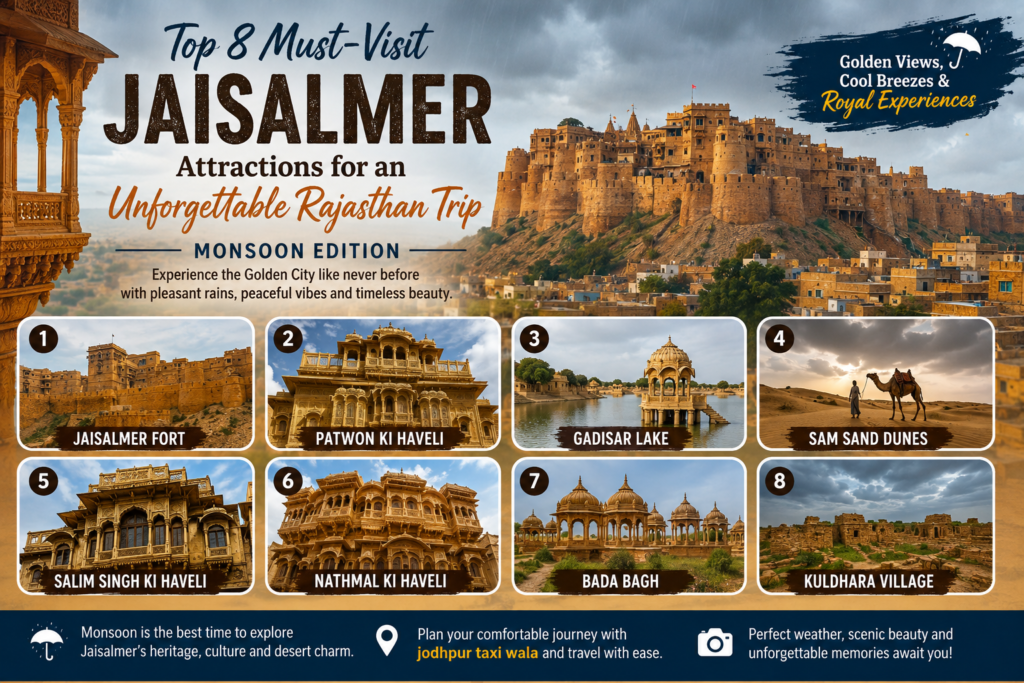
Bada Bagh Jaisalmer: A Complete Guide to the Historic Royal Cenotaphs
July 14, 2026
5 Underrated Places to Visit in Jodhpur During the Monsoon
July 17, 2026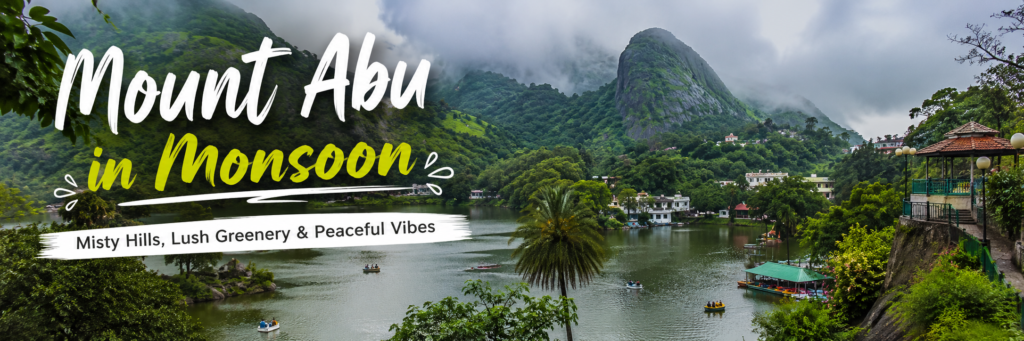
Mount Abu, the only hill station in Rajasthan, transforms into a refreshing green paradise during the monsoon season. While the rest of the state experiences warm weather, Mount Abu welcomes visitors with cool temperatures, mist-covered hills, flowing waterfalls, and lush landscapes. If you are planning to explore more of Rajasthan, you can also combine your hill station vacation with a jodhpur to udaipur tour package allowing you to experience the rich heritage, magnificent forts, beautiful lakes, and vibrant culture of these iconic cities. The rains breathe new life into the forests, making Mount Abu one of the most scenic destinations for nature lovers and photography enthusiasts.
However, traveling during the monsoon requires careful planning. Wet roads, slippery trails, and changing weather conditions can affect your trip if you are not prepared. This complete travel guide covers everything you need to know about visiting Mount Abu during the rainy season, including safety tips, must-visit places, weather conditions, packing essentials, and travel advice.

READ MORE : Bada Bagh Jaisalmer: A Complete Guide to the Historic Royal Cenotaphs
Why Visit Mount Abu During the Monsoon?
Monsoon gives Mount Abu an entirely different charm. The Aravalli Hills become greener, waterfalls come alive, and clouds often float through the valleys, creating breathtaking views. The pleasant weather also makes sightseeing more enjoyable compared to the hot summer months.
Some of the biggest reasons to visit during monsoon include:
- Refreshing climate with cool temperatures
- Beautiful green landscapes
- Flowing waterfalls and scenic viewpoints
- Less crowded attractions compared to peak tourist season
- Perfect atmosphere for photography and relaxation
Whether you are planning a family vacation, a romantic getaway, or a solo adventure, Mount Abu offers a peaceful escape during the rainy season.
Weather in Mount Abu During the Monsoon
The monsoon season generally lasts from July to September. During this period, the temperature usually ranges between 18°C and 28°C, making it comfortable for sightseeing.
Rainfall may vary from light drizzles to heavy showers. Some days remain cloudy throughout, while others offer clear skies after rainfall, providing spectacular panoramic views.
Morning and evening temperatures are cooler, so carrying light warm clothing is recommended.
Is Mount Abu Safe to Visit During the Monsoon?
Yes, Mount Abu is generally safe to visit during the monsoon if you follow basic travel precautions. Local authorities regularly maintain roads and tourist areas, but heavy rainfall can occasionally lead to slippery roads, reduced visibility, and temporary travel delays.
Travelers should stay informed about weather forecasts before beginning long drives or trekking activities. If you are planning to explore more of Rajasthan after your hill station visit, choosing well-planned udaipur day tour packages can make your journey more convenient and help you experience the city’s beautiful lakes, palaces, and cultural attractions without any hassle. Being cautious while exploring outdoor attractions helps ensure a safe and enjoyable holiday.
Being cautious while exploring outdoor attractions helps ensure a safe and enjoyable holiday.
Essential Safety Tips for a Monsoon Trip
Following a few simple precautions can make your journey comfortable and worry-free.
Check the Weather Forecast
Always monitor the weather forecast before leaving for sightseeing. Heavy rainfall may temporarily affect certain roads or outdoor attractions.
Drive Carefully
If you are driving to Mount Abu:
- Maintain a moderate speed.
- Avoid sudden braking on wet roads.
- Keep headlights on during fog or heavy rain.
- Ensure your vehicle is in good condition before starting the journey.
Mountain roads become slippery after rainfall, so careful driving is essential.
Wear Proper Footwear
Many viewpoints and walking trails become slippery during the rainy season.
Choose:
- Waterproof trekking shoes
- Shoes with good grip
- Comfortable walking footwear
Avoid smooth-soled sandals that can increase the risk of slipping.
Avoid Trekking During Heavy Rain
Although trekking is enjoyable in Mount Abu, avoid forest trails during heavy rainfall because:
- Rocks become slippery.
- Visibility decreases.
- Small streams may overflow.
Choose guided trekking routes only if weather conditions are favorable.
Stay Hydrated
Cool weather often makes people forget to drink enough water. Carry a reusable water bottle and stay hydrated throughout your sightseeing.
Best Places to Visit During the Monsoon
Mount Abu offers numerous attractions that become even more beautiful during the rainy season.
Nakki Lake
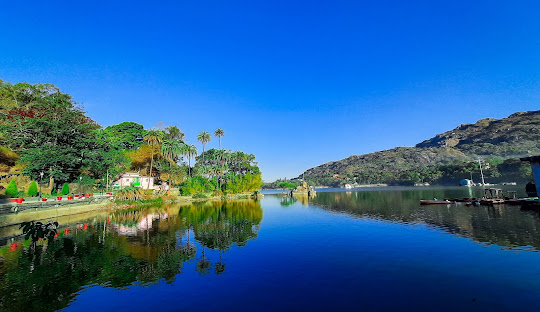
Nakki Lake becomes one of the most peaceful places during monsoon. Surrounded by misty hills and fresh greenery, it offers scenic boat rides and relaxing walking paths.
Early mornings provide particularly stunning reflections on the calm water.
Sunset Point
Even during the rainy season, Sunset Point remains one of the most visited attractions. On clear evenings after rainfall, visitors can witness spectacular sunset views over the Aravalli Hills.
Cloud formations often create dramatic landscapes perfect for photography.
Guru Shikhar
Guru Shikhar, the highest peak in Rajasthan, offers breathtaking panoramic views during monsoon.
Although clouds may occasionally reduce visibility, the surrounding greenery and cool breeze make the journey worthwhile.
Drive carefully while approaching the hilltop, especially during rainfall.
Toad Rock
Toad Rock becomes even more attractive during monsoon because of the surrounding lush vegetation.
The climb requires caution since the rocks may become slippery after rain.
Dilwara Temples
The famous Dilwara Temples are excellent attractions regardless of the weather. Since they are mostly indoor monuments, they provide a perfect sightseeing option during rainy days.
The intricate marble carvings continue to amaze visitors throughout the year.
Honeymoon Point
This viewpoint offers peaceful surroundings with beautiful valley views. During monsoon, floating clouds and fresh greenery make it one of the most romantic locations in Mount Abu.

What to Pack for a Monsoon Trip
Packing wisely can make your trip much more comfortable.
Recommended items include:
- Waterproof jacket
- Foldable umbrella
- Quick-dry clothing
- Waterproof backpack cover
- Comfortable walking shoes
- Light sweater for evenings
- Mobile waterproof pouch
- Power bank
- Basic medicines
- Personal toiletries
Avoid carrying heavy luggage if you plan to walk extensively around sightseeing areas.
Travel Tips for Families
Families visiting Mount Abu during monsoon should plan a relaxed itinerary.
Helpful suggestions include:
- Start sightseeing early in the morning.
- Keep children away from slippery rocks.
- Carry extra clothing for kids.
- Take regular breaks during sightseeing.
- Choose hotels located near the main market for easier transportation.
Planning shorter sightseeing days makes the experience more enjoyable for all family members.
Best Food to Enjoy During Rainy Weather
The cool climate makes local food even more enjoyable.
Popular options include:
- Hot tea
- Fresh coffee
- Vegetable pakoras
- Corn snacks
- Traditional Rajasthani meals
- Soups
- Fresh desserts available at local cafes
Always choose clean and well-maintained restaurants for meals.
Photography Tips During Monsoon
Mount Abu offers countless photography opportunities during the rainy season.
For the best results:
- Visit viewpoints early in the morning.
- Capture mist moving through valleys.
- Photograph waterfalls after moderate rainfall.
- Protect your camera using waterproof covers.
- Use natural light after rain showers for vibrant landscape photography.
Patience often rewards photographers with stunning cloud formations and colorful skies.
Accommodation Tips
Monsoon is generally less crowded than peak winter holidays, making it easier to find comfortable accommodations.
When booking hotels:
- Choose properties with good reviews.
- Confirm road accessibility.
- Check cancellation policies.
- Prefer hotels with covered parking if traveling by car.
Booking in advance can still help secure better prices, especially on weekends.
Common Mistakes to Avoid
Many travelers overlook simple precautions that can affect their trip.
Avoid these common mistakes:
- Ignoring weather updates
- Wearing slippery footwear
- Driving too fast on mountain roads
- Trekking during heavy rain
- Carrying expensive electronics without waterproof protection
- Skipping hotel reservations during weekends
- Leaving sightseeing too late in the evening
Proper planning helps avoid unnecessary inconvenience.
Final Thoughts
Mount Abu during the monsoon is a refreshing destination that showcases a completely different side of Rajasthan. Mist-covered hills, green valleys, flowing waterfalls, and cool weather create an unforgettable travel experience for visitors of all ages.
Although occasional rainfall requires extra caution, following basic safety measures ensures a smooth and enjoyable trip. From peaceful lakes and scenic viewpoints to historic temples and picturesque landscapes, Mount Abu offers the perfect combination of nature, relaxation, and adventure during the rainy season.
If you are looking for a destination that combines beautiful weather, stunning scenery, and a peaceful atmosphere, Mount Abu in monsoon deserves a place on your travel list. If your Rajasthan itinerary also includes exploring the Blue City, booking a reliable taxi service in jodhpur can make your journey comfortable and convenient while allowing you to visit major attractions with ease. With proper planning, suitable packing, and safe travel practices, you can enjoy one of Rajasthan’s most charming hill station experiences.